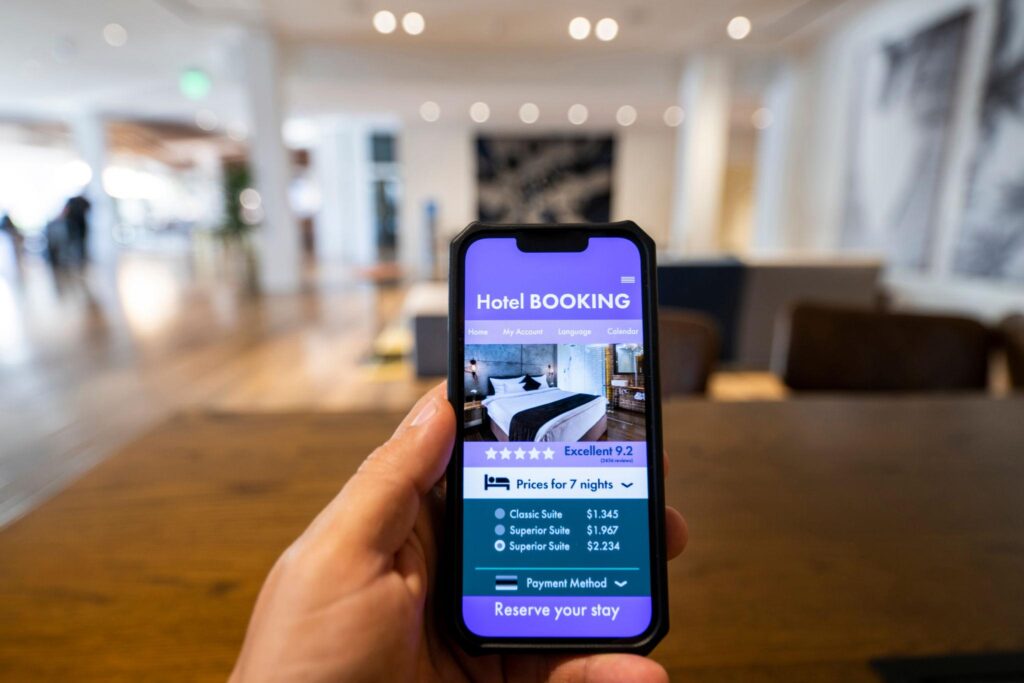
Tag: how to get more hotel bookings

  • How to Create a Website for Your Guesthouse in Laos (Complete 2026 Guide)

    How to Create a Website for Your Guesthouse in Laos (Complete 2026 Guide)

    If you run a guesthouse in Luang Prabang, Vang Vieng, or anywhere in Laos, you already know how important it is to attract foreign travelers. But in 2026, most tourists search and book online — and if your guesthouse isn’t on the web, you’re invisible to them.
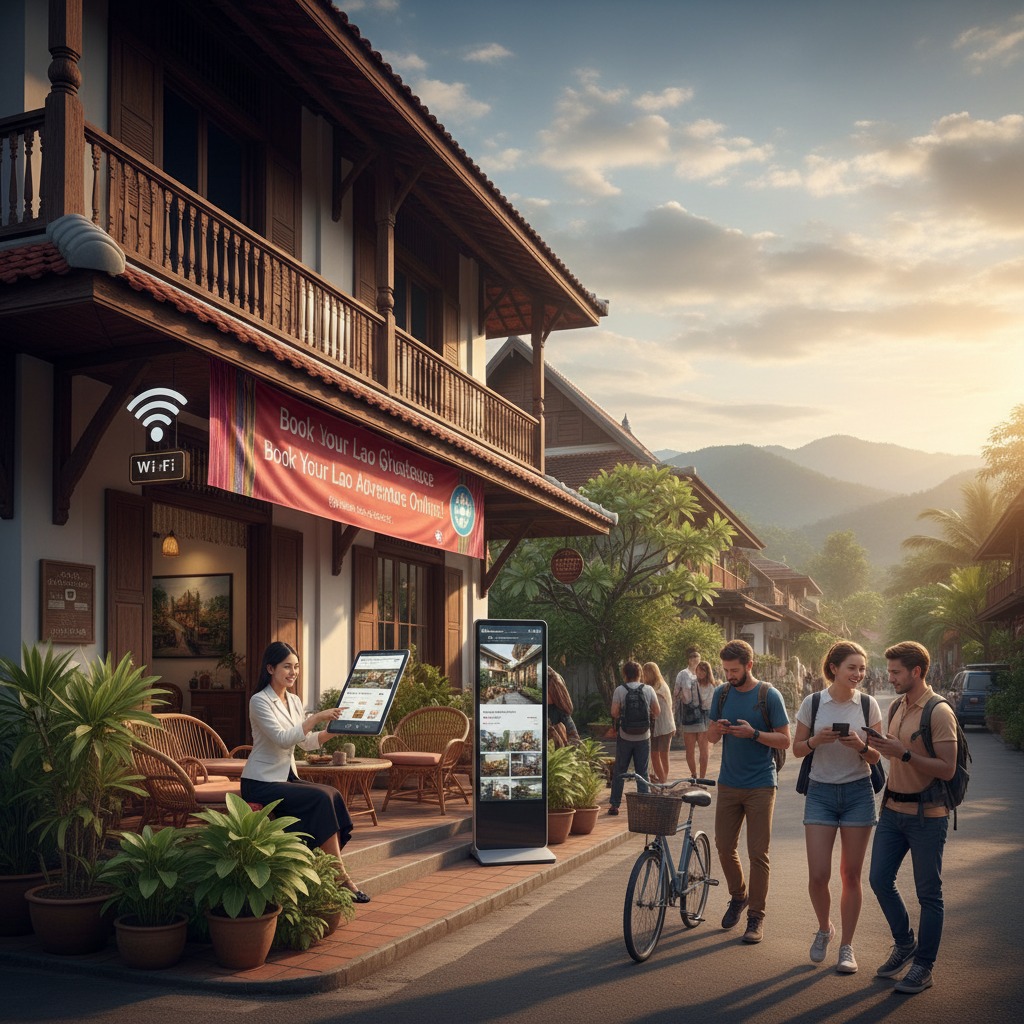
    The good news: creating a professional website for your guesthouse in Laos is now easier and more affordable than ever. This guide walks you through everything, step by step, with no technical experience required.

    Why Your Guesthouse Needs Its Own Website in 2026

    Booking platforms like Booking.com and Airbnb are useful — but they take up to 18% commission on every booking. That’s money coming directly out of your profit.

    Your own website changes everything:

    • Direct bookings = zero commission
    • Travelers trust a real website more than just a listing
    • You control your prices, availability, and brand story
    • Google can find you — platforms control what they show

    According to the Lao National Tourism Administration, Laos welcomed over 4.5 million international tourists in 2023. Most of these travelers research accommodations on Google before they ever open a booking app. If you don’t have a website, you’re missing the first step of that journey.

    What Your Guesthouse Website Must Have

    A good guesthouse website doesn’t need to be complicated. It needs to be clear, fast, and trustworthy. Here’s the essential checklist:

    1. Home Page

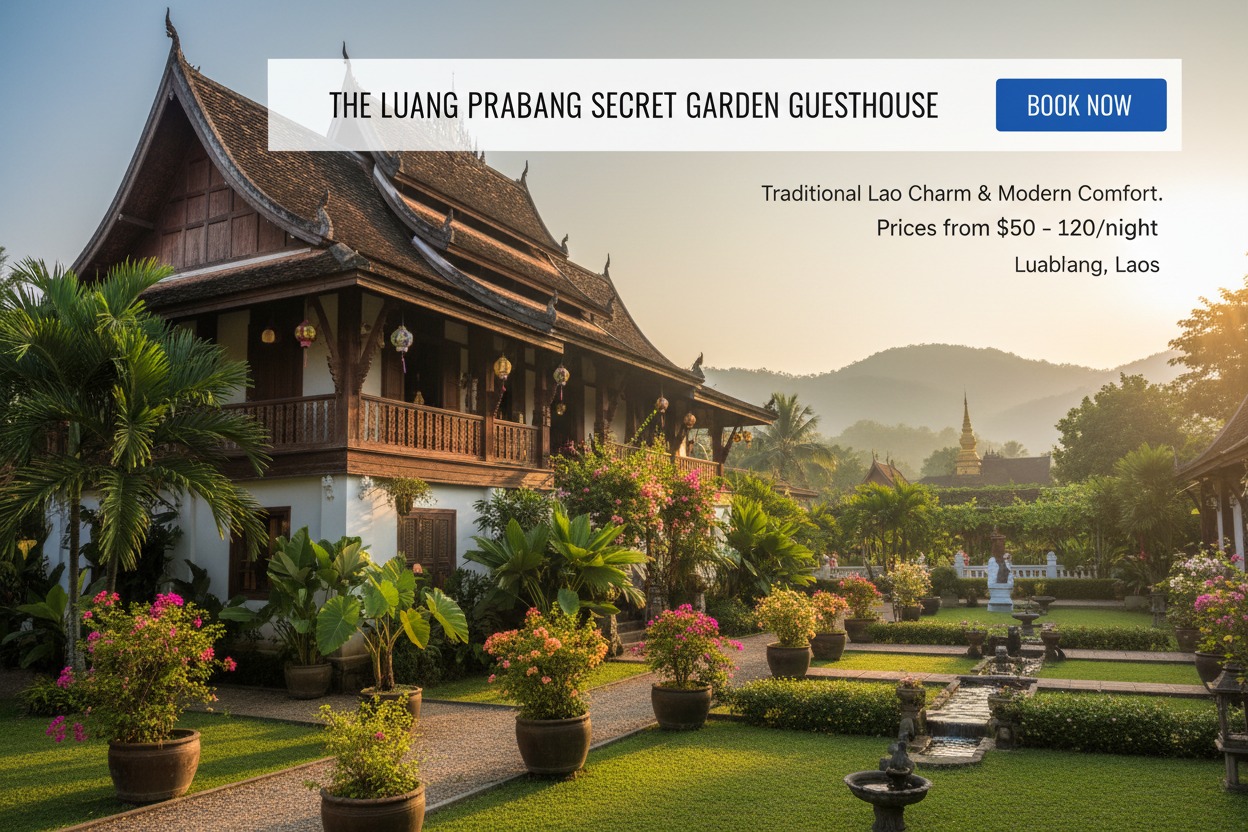
    Beautiful photos of your rooms and surroundings, your location (Luang Prabang, Laos — be specific), a clear “Book Now” button, and your price range.

    2. Rooms & Rates Page

    Show each room with photos, a description, and the price per night. Be transparent — travelers appreciate honesty. Include what’s included: Wi-Fi, breakfast, air conditioning, hot water.

    3. Location & How to Get Here

    A clear map, written directions, and a WhatsApp number are more useful than a complex address. Mention nearby landmarks (“5 minutes from Wat Xieng Thong”).

    4. Photo Gallery

    This is your most powerful selling tool. Show your rooms, common areas, breakfast, the view, the street outside. Travelers buy with their eyes.

    5. Contact & Booking Form

    Name, dates, number of guests, message. Add your WhatsApp number prominently — many Asian travelers prefer WhatsApp over email.

    6. Reviews Section

    Copy your best Google or TripAdvisor reviews onto your site. Social proof is everything in hospitality.
    Mobile First — Your Guests Are on Their Phones

    Over 78% of travel searches in Southeast Asia happen on smartphones. Your guesthouse website must look perfect on a small screen — before anything else. Big, tappable buttons, text large enough to read without zooming, photos that load fast on 4G, and a WhatsApp button that opens directly on mobile.

    How Much Does a Guesthouse Website Cost in Laos?

    OptionCostProsCons
    DIY (Wix, Squarespace)$15–25/monthCheap to startGeneric, slow, hard to rank on Google
    WordPress template$200–500 one-timeMore controlRequires maintenance
    Custom built (React)$500–1500Fast, SEO-optimized, uniqueHigher upfront cost

    For a guesthouse doing serious business, a custom-built website pays for itself in 3–5 direct bookings by eliminating platform commissions.

    Step-by-Step: Building Your Guesthouse Website

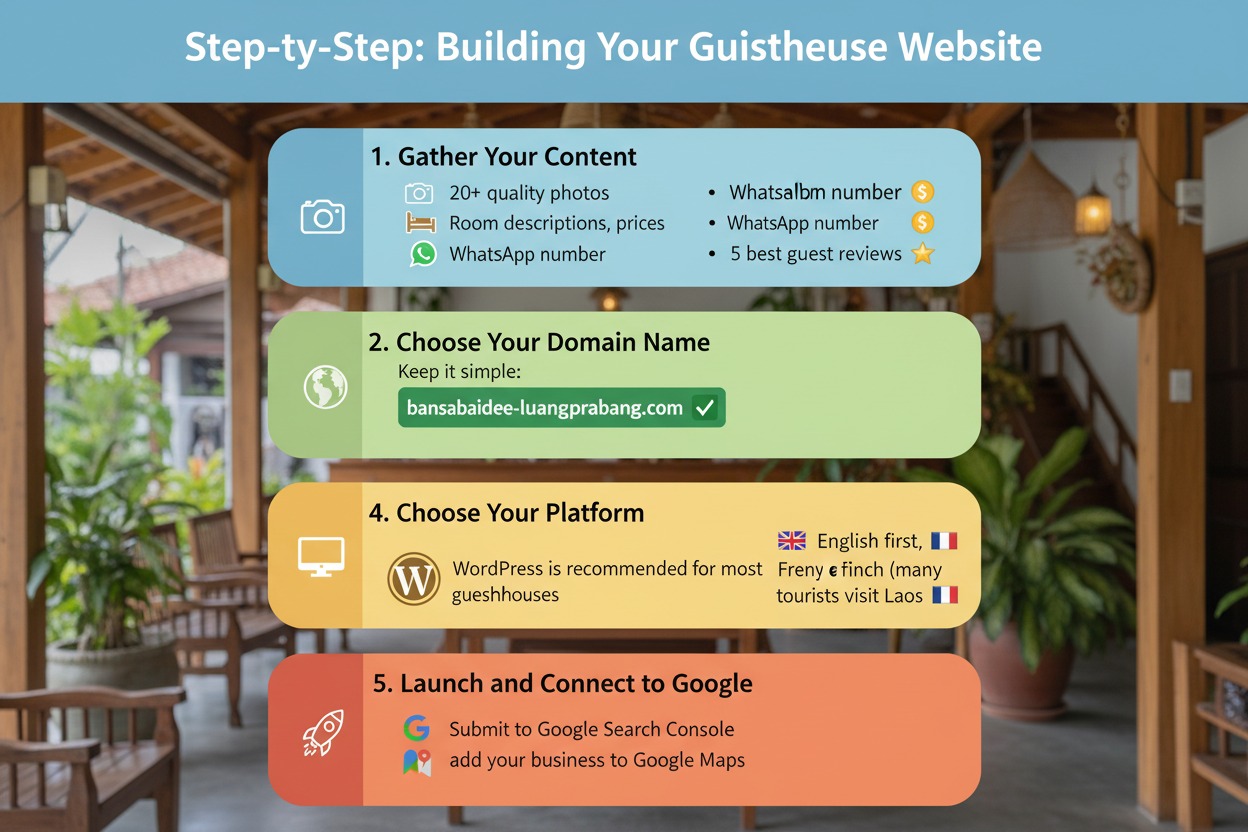
    1. Gather your content first — 20+ quality photos, room descriptions, prices, WhatsApp number, 5 best guest reviews
    2. Choose your domain name — Keep it simple: bansabaidee-luangprabang.com ✅
    3. Choose your platform — WordPress is recommended for most guesthouses
    4. Write your content — English first, then consider French (many Francophone tourists visit Laos)
    5. Launch and connect to Google — Submit to Google Search Console and add your business to Google Map
    Common Mistakes to Avoid

    • ❌ Using only unedited phone photos — invest in one good photo session
    • ❌ Not mentioning your exact location — “Laos” is not enough
    • ❌ No English content — your guests are international
    • ❌ Hiding your prices — travelers leave immediately
    • ❌ No WhatsApp link — this is how people in Asia communicate

    Conclusion — Your Website Is Your Best Salesperson

    A well-built guesthouse website works 24 hours a day, 7 days a week, in every country in the world. It answers questions, shows your rooms, builds trust, and takes bookings — all while you sleep.

    Ready to build yours?
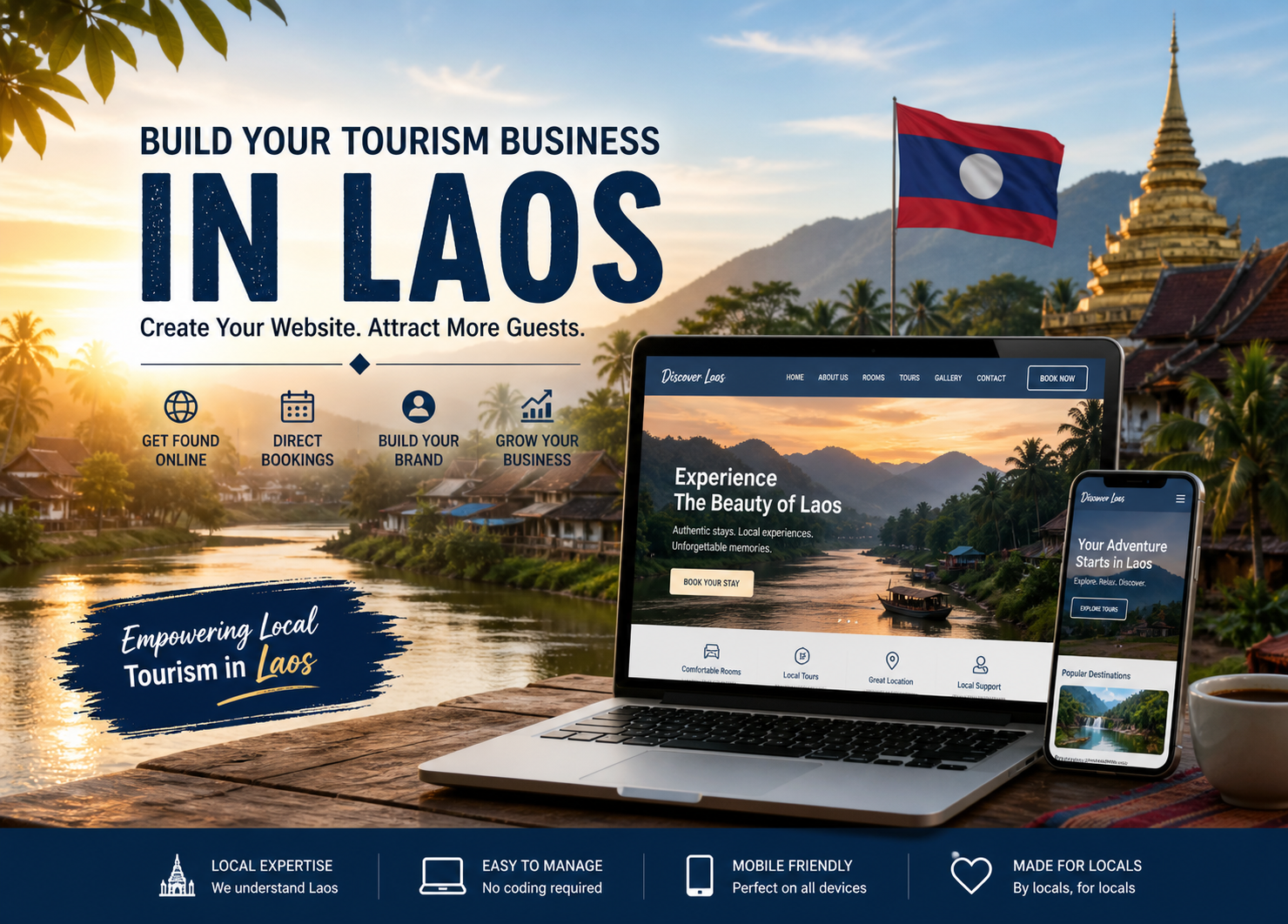
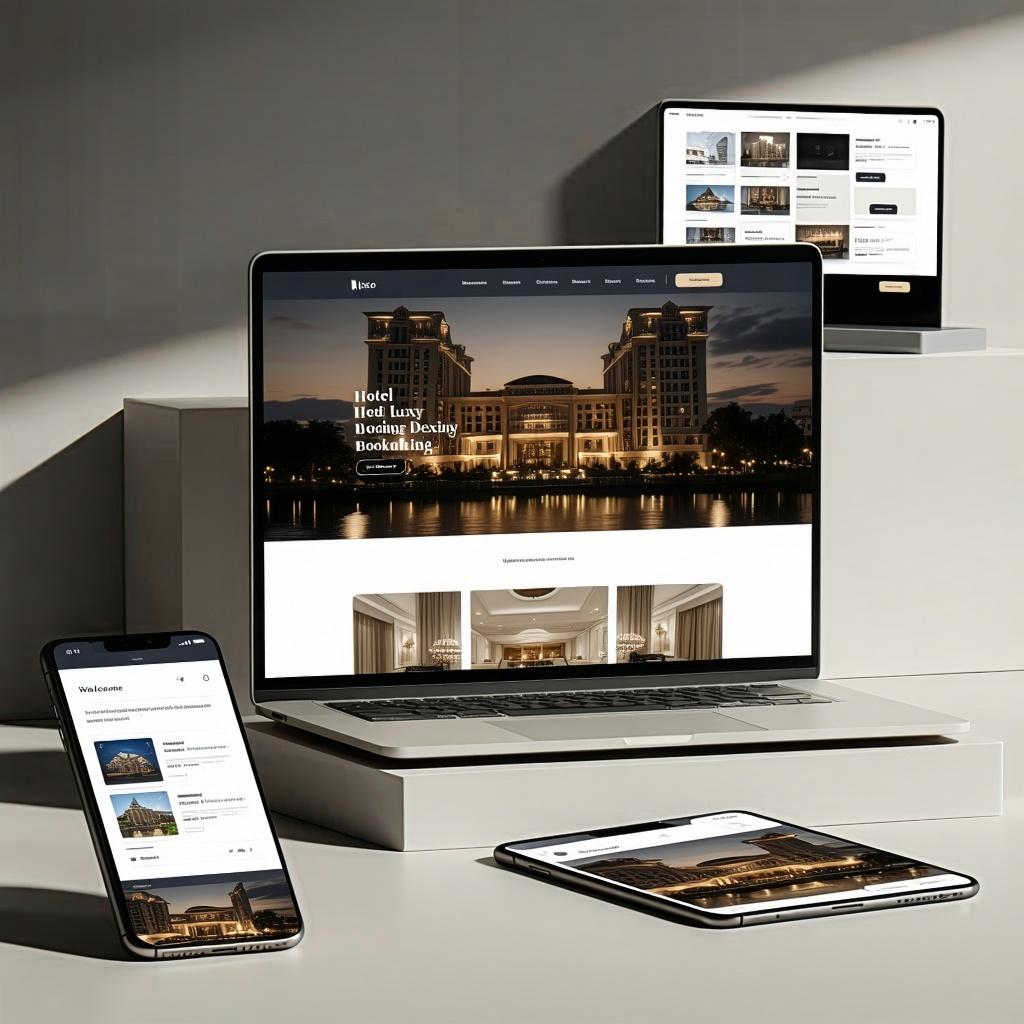
    Tokay Studio builds custom websites for guesthouses, hotels, and tourism businesses across Laos and Southeast Asia. Fast, mobile-first, SEO-optimized — and built to get you direct bookings.
    → Get a free quote today

  • Why Every Tourism Business in Southeast Asia Needs Its Own Website in 2026

    Why Every Tourism Business in Southeast Asia Needs Its Own Website in 2026

    In 2026, the tourism industry in Southeast Asia has become more competitive than ever. From small guesthouses in Laos to boutique hotels in Thailand and local restaurants in Vietnam, every busine

    ss is now fighting for online visibility in an increasingly digital marketplace. Yet, many tourism professionals still rely almost entirely on third-party platforms such as booking websites and social media. While these tools remain useful, they are no longer sufficient to ensure long-term profitability and sustainability.

    Why Every Tourism Business in Southeast Asia Needs Its Own Website in 2026
    Why Every Tourism Business in Southeast Asia Needs Its Own Website in 2026

    Having your own website is no longer optional — it is a strategic necessity. Booking platforms often charge commissions ranging from 15% to 25% per reservation. Over time, this represents a significant loss of revenue, especially for small and independent businesses. By owning a website, tourism professionals can encourage direct bookings, reduce reliance on intermediaries, and significantly improve their profit margins. Even a handful of direct reservations each week can have a meaningful financial impact.

    Moreover, today’s travelers rely heavily on search engines to plan their trips. Searches such as “best guesthouse in Luang Prabang,” “local tour guide in Chiang Mai,” or “authentic restaurant in Hanoi” are now standard. Without a website, a business simply does not exist in these search results. A well-optimized website allows businesses to reach potential customers at an earlier stage of their decision-making process, often before they even visit booking platforms.

    A website also plays a crucial role in building a strong and professional brand. It serves as a digital identity where businesses can showcase their services, present their story, and highlight what makes them unique. Unlike social media platforms, where formats are standardized and competition is intense, a website offers complete creative and strategic control. This helps create a more memorable and trustworthy impression for potential customers.

    In addition, having a website enables direct relationships with customers. When bookings are made through third-party platforms, businesses often do not fully own the customer relationship. With a website, however, it becomes possible to collect email addresses, offer personalized promotions, and build customer loyalty. This is essential for turning one-time visitors into repeat clients, which is a key factor in long-term success.

    Another major advantage is the ability to adapt to mobile users. The majority of travelers in Southeast Asia now use smartphones to search, compare, and book their trips. A modern website that loads quickly, is optimized for mobile devices, and allows easy communication through messaging apps or contact forms can dramatically increase conversion rates.

    Importantly, Southeast Asia still presents a massive digital opportunity. Many small tourism businesses have yet to invest in high-quality websites, which means competition in search engine results remains relatively low. At the same time, international demand for authentic, local experiences continues to grow rapidly. Businesses that act early and establish a strong online presence can quickly position themselves as leaders in their local market.

    It is also worth addressing a common misconception: creating a website is no longer a complex or highly technical task. With the tools and resources available today, anyone can build a professional-looking website, integrate booking features, and optimize it for search engines. Acquiring these skills provides independence and gives business owners greater control over their digital strategy.

    Finally, investing in a website is a way to future-proof a tourism business. The industry is evolving rapidly, and those who adapt to digital trends will be more resilient, more flexible, and better positioned to attract international customers. A website is not just a marketing tool — it is a long-term asset that contributes directly to growth and stability.

    In conclusion, in 2026, having your own website is one of the smartest investments a tourism professional in Southeast Asia can make. It allows businesses to increase revenue, reduce dependency on third-party platforms, strengthen their brand, and build lasting relationships with customers. The question is no longer whether a website is necessary, but how quickly it can be launched to start unlocking new opportunities.