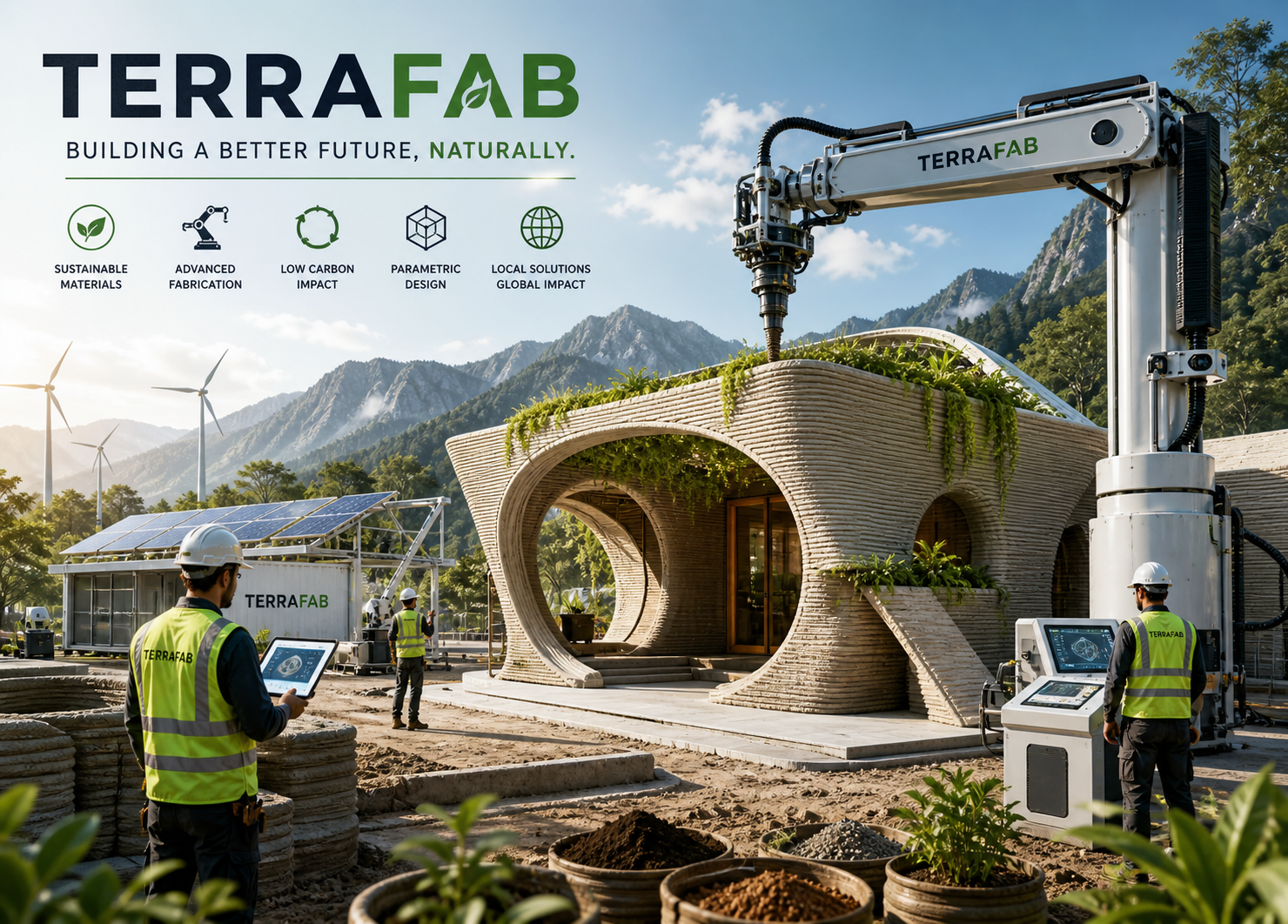
As the global demand for sustainable infrastructure continues to grow, innovative approaches to construction are becoming increasingly essential. TerraFab stands at the forefront of this transformation, merging cutting-edge fabrication technologies with environmentally conscious design to reshape how we build in the 21st century.
TerraFab is not just a concept but a rapidly evolving methodology that integrates digital fabrication, robotics, and locally sourced materials to create efficient, low-impact construction systems. By leveraging advanced tools such as 3D printing, automated assembly, and parametric design, TerraFab enables the creation of structures that are both highly optimized and environmentally responsible.
One of the defining principles of TerraFab is its emphasis on material intelligence. Instead of relying on standardized, mass-produced components, TerraFab systems are designed to adapt to the properties of available materials—whether that be earth, recycled composites, or bio-based resources. This localized approach reduces transportation costs and carbon emissions while promoting regional architectural identity.
Another key advantage of TerraFab lies in its ability to minimize waste. Traditional construction methods often result in significant material loss, but TerraFab uses precise computational modeling to ensure that every component is produced with maximum efficiency. This not only reduces environmental impact but also lowers overall project costs.
Automation plays a central role in the TerraFab ecosystem. Robotic fabrication systems can operate with high precision and consistency, enabling complex geometries that would be difficult or impossible to achieve through manual labor alone. These technologies also improve safety on construction sites by reducing the need for hazardous human tasks.
Beyond efficiency, TerraFab opens new possibilities for architectural creativity. Designers are no longer constrained by conventional building techniques and can explore organic forms, adaptive structures, and responsive environments. This fusion of technology and design leads to buildings that are not only functional but also expressive and innovative.
Importantly, TerraFab aligns with the broader goals of sustainable development. By reducing resource consumption, minimizing waste, and enabling the use of renewable materials, it contributes to a more circular economy in the construction sector. As cities expand and climate challenges intensify, such approaches are becoming increasingly vital.
However, the adoption of TerraFab is not without challenges. High initial investment in technology, the need for specialized expertise, and regulatory barriers can slow its implementation. Despite these obstacles, ongoing research and industry collaboration are steadily driving progress.
In conclusion, TerraFab represents a bold step toward the future of construction. By combining digital fabrication, sustainability, and design innovation, it offers a powerful alternative to traditional building methods. As the technology matures, TerraFab has the potential to redefine how we conceive, design, and construct the built environment—making it smarter, cleaner, and more adaptable to the needs of our planet.