Category: Tourism Business Education

  • Why Most Hotel Websites in Laos Fail

    Why Most Hotel Websites in Laos Fail

    The tourism industry in Laos has grown steadily over the past decade, attracting travelers looking for authenticity, nature, slow travel, and cultural experiences. From the temples of Luang Prabang to the islands of Si Phan Don, hotels and guesthouses have multiplied rapidly. Yet despite the beauty of the destinations themselves, many hotel websites in Laos continue to struggle to convert visitors into actual bookings.
    Why Most Hotel Websites in Laos Fail
    Why Most Hotel Websites in Laos Fail

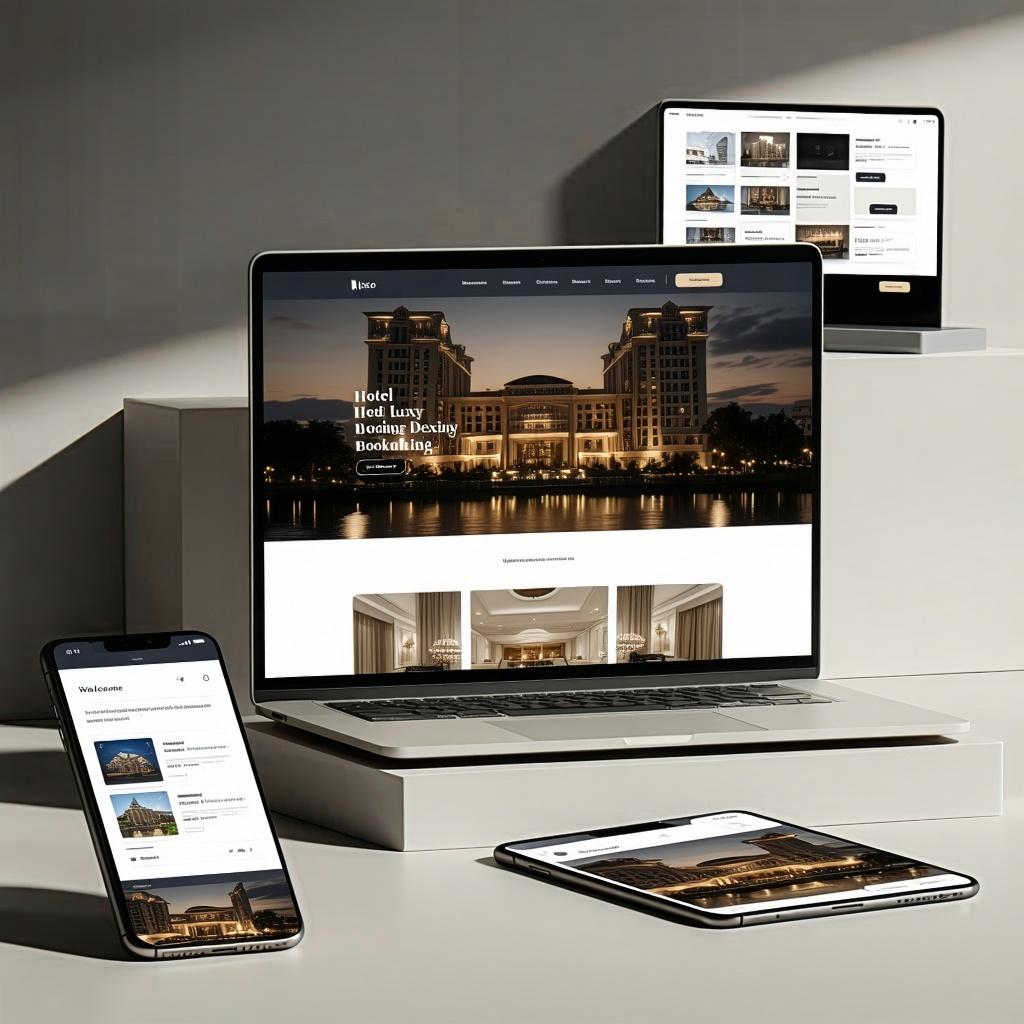
    One of the biggest problems is outdated design. A large number of hotel websites still look as if they were created fifteen years ago. Slow loading times, broken links, low-resolution images, and confusing navigation immediately damage trust. Modern travelers compare dozens of accommodations before booking, and a poorly designed website often makes a hotel appear unprofessional, even if the property itself is excellent.

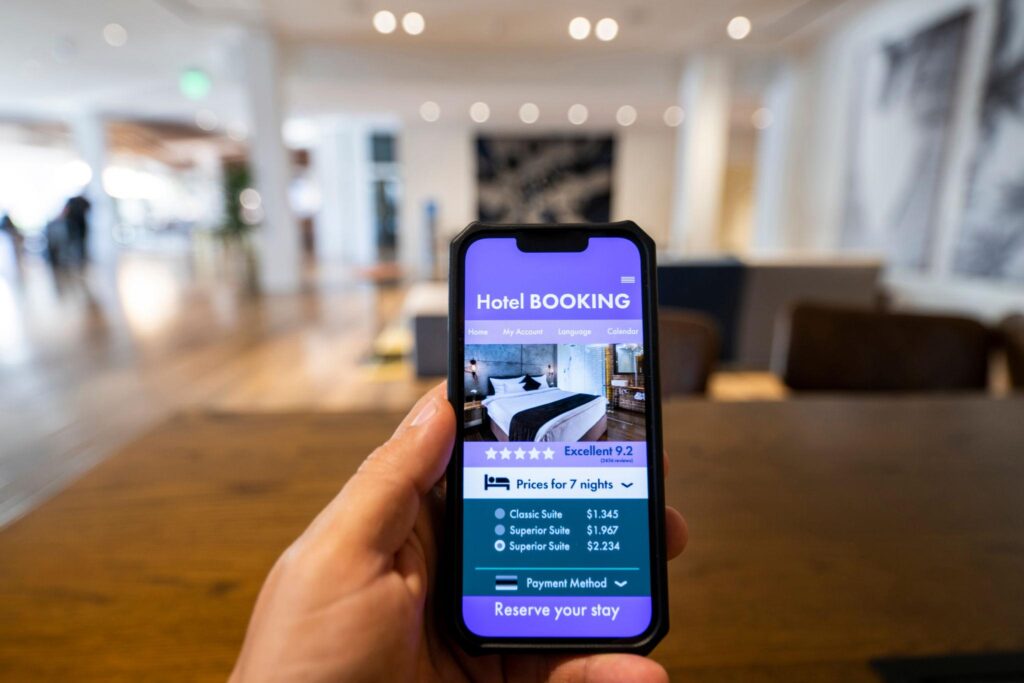
    Another major issue is the lack of mobile optimization. Today, most travelers search and book hotels directly from smartphones. Unfortunately, many Lao hotel websites are difficult to use on mobile devices. Text is too small, booking buttons are hidden, and pages do not adapt properly to smaller screens. In a country where tourism increasingly depends on international digital visibility, this is a serious disadvantage.
    Why Most Hotel Websites in Laos Fail
    Why Most Hotel Websites in Laos Fail

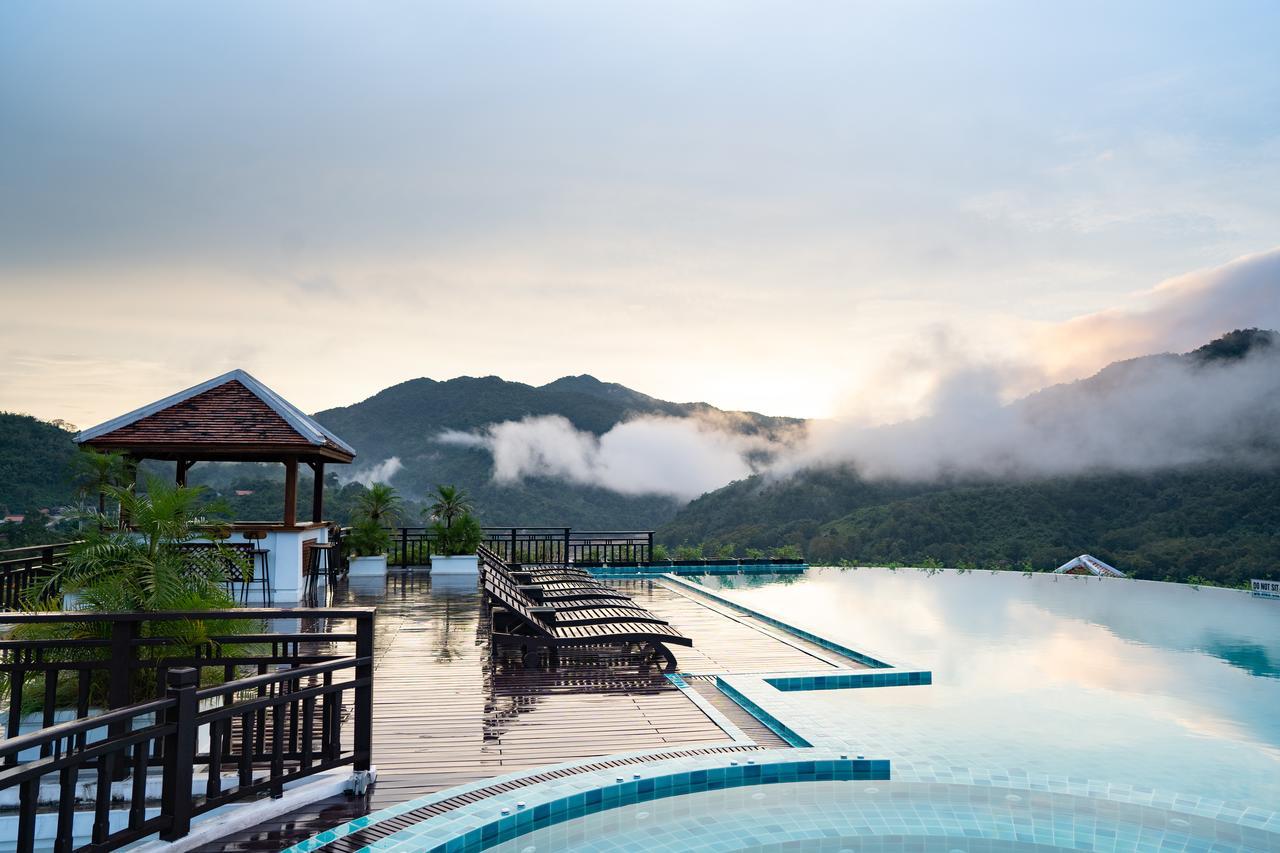
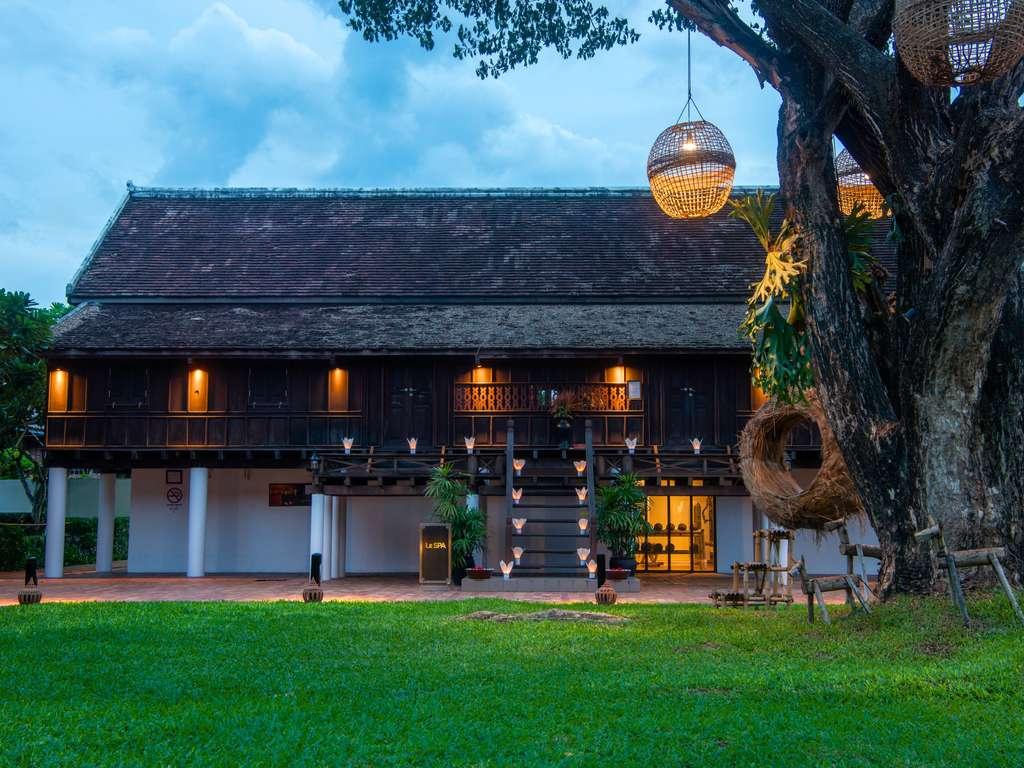
    Photography is also frequently neglected. Many hotels in Laos are located in extraordinary environments: riverside bungalows, colonial buildings, tropical gardens, or mountain landscapes. Yet their websites often feature dark, blurry, or badly framed photos. High-quality visual storytelling is essential in hospitality marketing. Travelers want to imagine themselves relaxing in the room, enjoying breakfast with a view, or discovering the surrounding culture.

    Language and content quality create another barrier. Some websites contain incomplete English translations, spelling mistakes, or outdated information about prices and services. Others fail to explain what makes the hotel unique. In a competitive tourism market, generic descriptions such as “nice room” or “good service” are no longer enough. Hotels need compelling storytelling that highlights local identity, atmosphere, sustainability, and guest experience.

    Booking systems are another weak point. Many independent hotels still rely only on messaging apps or email inquiries instead of offering instant online reservations. International tourists expect secure payment options, real-time availability, and immediate confirmation. When a booking process becomes complicated, travelers simply move to another website or use large platforms like Booking.com instead.

    Search engine visibility is also extremely poor for many establishments. Without proper SEO, optimized content, or updated Google Business profiles, hotel websites remain invisible on search engines. Even beautiful boutique hotels often lose customers because potential guests cannot easily find them online.

    However, the situation is improving. A growing number of boutique hotels, eco-lodges, and hospitality entrepreneurs in Laos are investing in modern branding, professional photography, multilingual content, and responsive design. The hotels that succeed online are usually those that understand one essential idea: a hotel website is no longer just an online brochure. It is the hotel’s digital reception desk, sales agent, and first impression all at once.
  • Why Every Tourism Business in Southeast Asia Needs Its Own Website in 2026

    Why Every Tourism Business in Southeast Asia Needs Its Own Website in 2026

    In 2026, the tourism industry in Southeast Asia has become more competitive than ever. From small guesthouses in Laos to boutique hotels in Thailand and local restaurants in Vietnam, every busine

    ss is now fighting for online visibility in an increasingly digital marketplace. Yet, many tourism professionals still rely almost entirely on third-party platforms such as booking websites and social media. While these tools remain useful, they are no longer sufficient to ensure long-term profitability and sustainability.

    Why Every Tourism Business in Southeast Asia Needs Its Own Website in 2026
    Why Every Tourism Business in Southeast Asia Needs Its Own Website in 2026

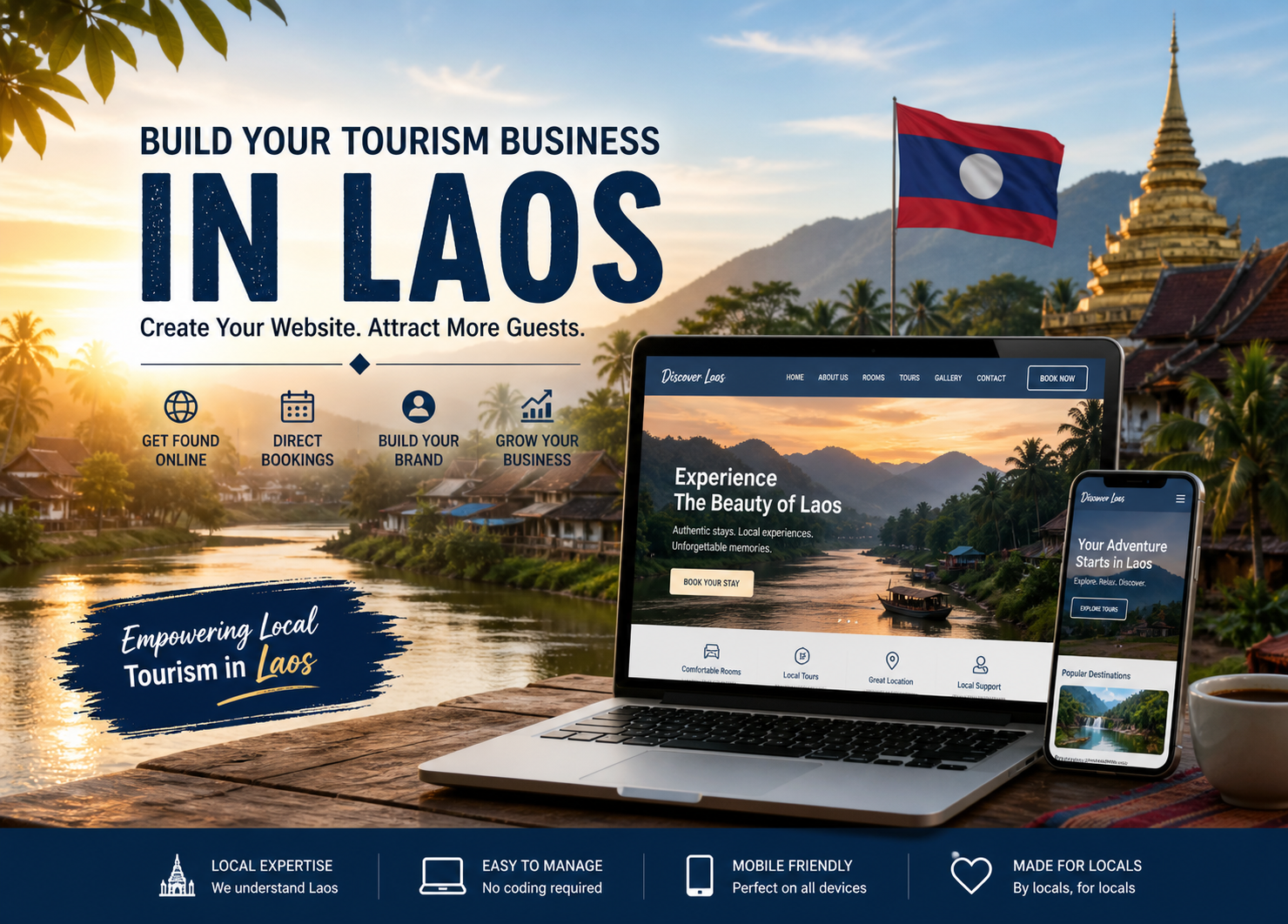
    Having your own website is no longer optional — it is a strategic necessity. Booking platforms often charge commissions ranging from 15% to 25% per reservation. Over time, this represents a significant loss of revenue, especially for small and independent businesses. By owning a website, tourism professionals can encourage direct bookings, reduce reliance on intermediaries, and significantly improve their profit margins. Even a handful of direct reservations each week can have a meaningful financial impact.

    Moreover, today’s travelers rely heavily on search engines to plan their trips. Searches such as “best guesthouse in Luang Prabang,” “local tour guide in Chiang Mai,” or “authentic restaurant in Hanoi” are now standard. Without a website, a business simply does not exist in these search results. A well-optimized website allows businesses to reach potential customers at an earlier stage of their decision-making process, often before they even visit booking platforms.

    A website also plays a crucial role in building a strong and professional brand. It serves as a digital identity where businesses can showcase their services, present their story, and highlight what makes them unique. Unlike social media platforms, where formats are standardized and competition is intense, a website offers complete creative and strategic control. This helps create a more memorable and trustworthy impression for potential customers.

    In addition, having a website enables direct relationships with customers. When bookings are made through third-party platforms, businesses often do not fully own the customer relationship. With a website, however, it becomes possible to collect email addresses, offer personalized promotions, and build customer loyalty. This is essential for turning one-time visitors into repeat clients, which is a key factor in long-term success.

    Another major advantage is the ability to adapt to mobile users. The majority of travelers in Southeast Asia now use smartphones to search, compare, and book their trips. A modern website that loads quickly, is optimized for mobile devices, and allows easy communication through messaging apps or contact forms can dramatically increase conversion rates.

    Importantly, Southeast Asia still presents a massive digital opportunity. Many small tourism businesses have yet to invest in high-quality websites, which means competition in search engine results remains relatively low. At the same time, international demand for authentic, local experiences continues to grow rapidly. Businesses that act early and establish a strong online presence can quickly position themselves as leaders in their local market.

    It is also worth addressing a common misconception: creating a website is no longer a complex or highly technical task. With the tools and resources available today, anyone can build a professional-looking website, integrate booking features, and optimize it for search engines. Acquiring these skills provides independence and gives business owners greater control over their digital strategy.

    Finally, investing in a website is a way to future-proof a tourism business. The industry is evolving rapidly, and those who adapt to digital trends will be more resilient, more flexible, and better positioned to attract international customers. A website is not just a marketing tool — it is a long-term asset that contributes directly to growth and stability.

    In conclusion, in 2026, having your own website is one of the smartest investments a tourism professional in Southeast Asia can make. It allows businesses to increase revenue, reduce dependency on third-party platforms, strengthen their brand, and build lasting relationships with customers. The question is no longer whether a website is necessary, but how quickly it can be launched to start unlocking new opportunities.